Need epoxy garage floors in Bloomington?
- Discuss slab condition before choosing your floor finish
- Ask about seasonal installation conditions
- Compare written preparation and coating details
- Confirm access during curing
No obligation
Epoxy garage floors for Bloomington homes
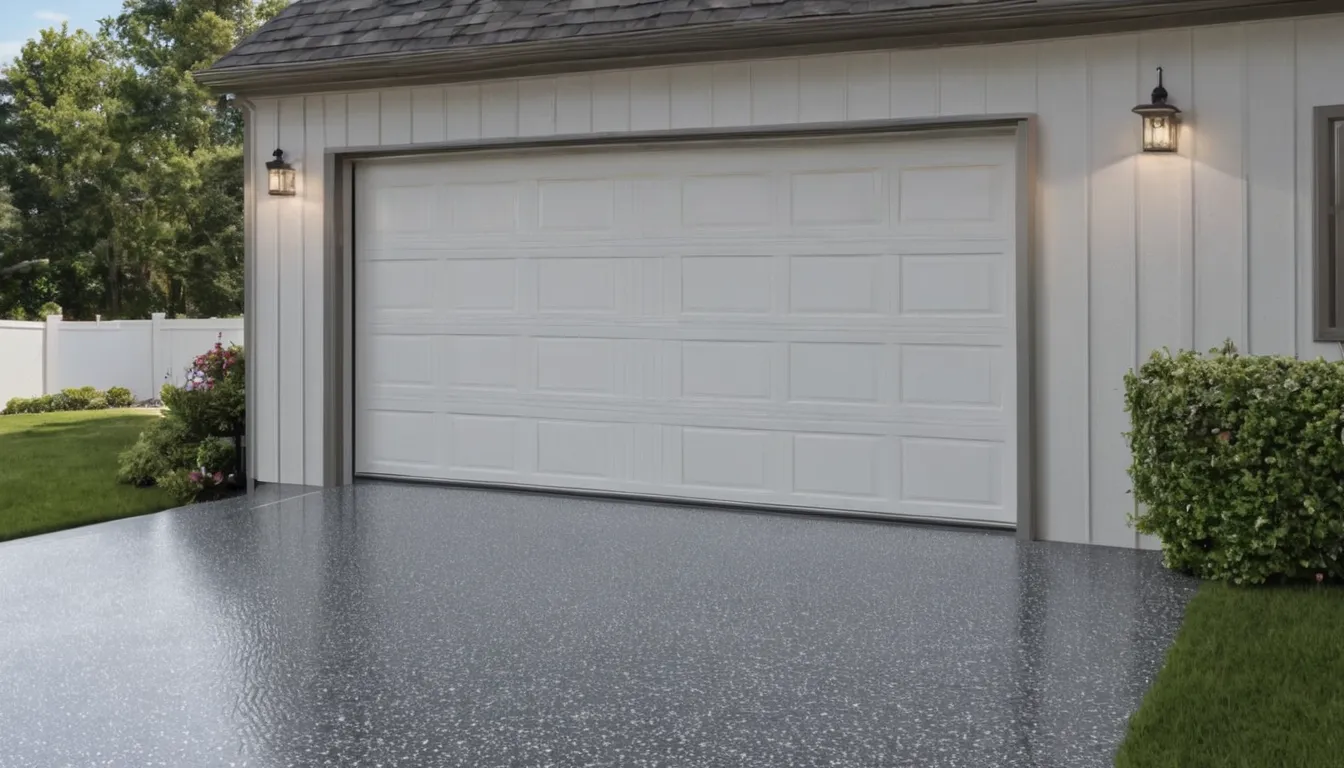
Registeryoushark Floor Coating connects homeowners in Bloomington, MN, with independent local providers for epoxy garage floors. The referral service does not install flooring or perform repairs. A local provider evaluates the concrete, discusses how you use the garage, and sets the project scope. Peeling paint, winter salt residue, oil spots, and damp edges all matter before a finish is selected. Share those details when you request an estimate so the discussion starts with the floor's actual condition.
Seasonal timing matters as much as color. Cold concrete can slow curing, while humid air and storm runoff can complicate preparation. Providers in our network can discuss suitable conditions, moisture testing, and access during the work. Ask for written terms that explain preparation, materials, repairs, and return to use. A suitable finish can support routine upkeep and help preserve the garage's condition for future resale.
Request a callback to check provider availability for epoxy garage floors in Bloomington. Mention standing water, new cracks, or coating that lifts after rain. These details may change the scope before an installation date is set. If storm runoff is still entering the garage, address that source first. Epoxy is a floor finish; it does not correct drainage problems or stop water moving beneath a slab.
A warm afternoon does not mean cold concrete is ready for epoxy. After a cold winter, the slab may take longer than the air to warm up. Summer humidity can also leave condensation on cooler concrete. Ask the provider how floor temperature, air moisture, and the product's working limits affect scheduling. The decision should follow measured conditions and product instructions, rather than a calendar date alone.
Tell the provider whether the garage holds daily drivers, garden tools, a workbench, or exercise equipment. Point out where tires sit and where melted snow collects. A floor used for vehicle storage has different demands from a light hobby space. This discussion helps narrow the finish, texture, and cleaning needs. It also helps identify which areas need closer inspection before a written quote is prepared.
Dark marks may be old oil, trapped moisture, or discoloration in the concrete. Flaking areas may involve an old coating or weak concrete underneath. The provider should explain what can be removed, what needs repair, and what may remain visible. Deep cracks, uneven sections, or ongoing movement may need separate assessment. Covering those signs without understanding them can leave the new finish vulnerable to the same underlying problem.
Epoxy needs a clean, sound surface with enough texture to bond. Providers may grind the slab to remove weak material and create that texture. Oil treatment, dust removal, and removal of an existing coating can add work. Ask which preparation method is included and how dust will be controlled. A quote that names only the coating leaves an important part of the project unclear.
Concrete can look dry while moisture moves through it from below. Ask what testing the provider recommends and how the results affect material selection. A moisture-control layer may be suitable for some conditions, but it is not a remedy for active water entry. Share any history of spring flooding or damp floor edges. Include nearby drainage or sump pump concerns if they may affect the garage.
An epoxy floor may include a primer, an epoxy layer, decorative flakes, and a clear topcoat. Not every proposal includes every layer. Solid colors give a simple appearance; flakes add visual texture and can make small marks less noticeable. Custom floor finishes should still suit everyday use. Ask for the product names, planned layers, and surface texture so you can compare written proposals on the same basis.
Sunlight reaching through an open door can change the color of some epoxy finishes. A suitable topcoat may help limit that change, depending on the products used. Ask the provider how the proposed system handles the exposed entrance strip. Also discuss wet traction. Added grit can improve footing, but a rougher texture may take more effort to clean. View a sample before choosing the final surface.
Move vehicles, stored boxes, and loose shelving before the agreed start date. Confirm who handles heavy items and whether anything can stay in place. Plan another route into the house if the garage is your usual entrance. Ask how the provider will manage dust, odors, and ventilation near living spaces. Keep children and pets away from the work area, and arrange storage that stays sheltered during seasonal storms.
The provider typically checks the slab, prepares the surface, completes suitable repairs, and applies the specified layers. Each stage depends on the previous stage being ready. Weather, unexpected damage, or moisture findings can change the sequence or schedule. Request updates when the scope changes, along with written approval terms for added work. Before application begins, confirm how joints and edges will be handled within the proposed system.
A floor that feels dry may still need more time before it can support tires, cabinets, or heavy equipment. Ask for separate instructions for walking, moving items back, and parking. The correct timing depends on the product and actual conditions. Avoid planning around a generic cure estimate. Get the provider's return-to-use guidance in writing so household access and vehicle storage can be arranged around the project.
Sweep away tracked-in sand and winter residue. Use cleaning products approved for the installed system, and wipe up oil or chemical spills promptly. Avoid dragging metal storage units across the surface. Check the entrance and parking areas during seasonal cleaning for chips or lifting edges. Early attention to a small defect may limit further damage. Keep product details and care instructions with the home's maintenance records.
Request an estimate that identifies preparation, moisture testing, repairs, coating layers, cleanup, and payment terms. Ask who handles concerns after completion and what any written warranty excludes. Clear records help with upkeep and future buyer questions without promising a resale increase. Registeryoushark Floor Coating makes referrals; the independent provider sets the scope and performs the work. Use the request form if you prefer to describe the project in writing.
Discuss existing coatings, visible damage, oil stains, and moisture concerns with a local provider.
Ask how concrete temperature and humid weather could affect preparation, application, and access to your garage.
Compare colors, decorative flakes, and traction options that fit vehicle storage and regular household use.
Request clear preparation details, material names, repair allowances, and return-to-use instructions before work begins.
These typical U.S. planning ranges vary by slab condition, floor area, materials, and preparation. Some items overlap or are included in installation pricing. Ask a local provider for a written quote showing the full scope before comparing project totals.
| Item | Typical U.S. range | Notes |
|---|---|---|
| Installed epoxy garage floor | $4–$12 per square foot | Preparation and system details affect pricing. |
| Existing coating removal | $1–$3 per square foot | May be included in surface preparation. |
| Minor crack and surface repairs | $150–$800 per project | Extent and repair method change the total. |
| Moisture-control layer | $2–$5 per square foot | Only where testing and product requirements support its use. |
| Decorative flake upgrade | $1–$3 per square foot | May already be part of the quoted system. |
| Clear protective topcoat | $1–$3 per square foot | Confirm whether the base quote includes this layer. |
Share the garage size, current surface, visible damage, and any moisture patterns you have already noticed.
Discuss your project with an independent local provider, subject to coverage and availability.
Check preparation, repairs, proposed layers, pricing, and access requirements before accepting project terms.
Arrange storage and parking, then follow the provider's instructions for clearing the garage and returning items.
Registeryoushark Floor Coating provides the referral; an independent local provider assesses the floor and handles the agreed work.
Start with useful questions about damp concrete, cold slabs, and seasonal garage access.
Discuss finishes around parking, storage, cleaning, and wet shoes before choosing colors or flakes.
Suitable preparation and documented maintenance can help preserve the garage's condition as your household changes.
Sometimes, depending on slab temperature, moisture, and the selected products. Heating the air alone may not make cold concrete suitable. Ask the provider how conditions will be measured and whether the project needs a different installation window.
That depends on the existing coating's condition and compatibility with the proposed system. Loose or poorly bonded material generally needs removal. Ask the provider to explain the preparation method and whether removal is included in the written quote.
Epoxy does not correct active water entry or structural movement. A provider may repair suitable surface cracks before application. Ongoing dampness, widening cracks, or uneven concrete need assessment before you commit to a new floor finish.
Request a callback to discuss your floor project and check provider availability. Prefer writing? Use the request form to share the details.
No obligation